
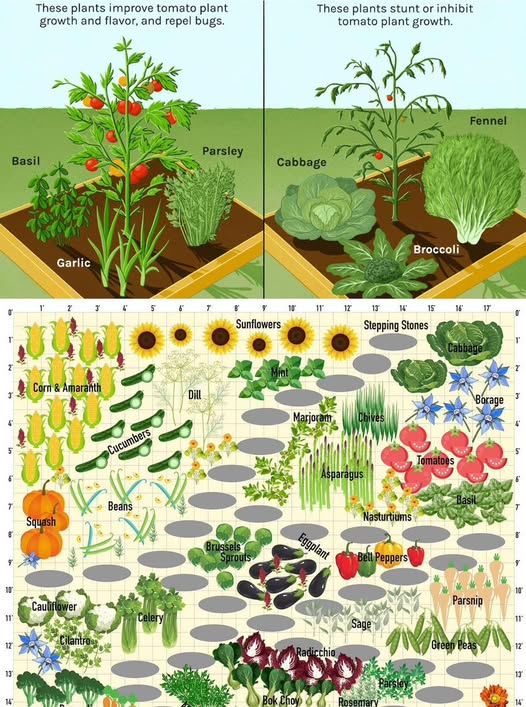
In the dynamic ecosystem of a garden, not all plants are compatible. The age-old practice of companion planting provides essential insights for gardeners, teaching them how combinations of certain plants can either support or interfere with each other’s growth. A notable example is the relationship between tomatoes and cucumbers. Despite their popularity in home gardens, these vegetables do not thrive well together. This guide explores the fundamentals of companion planting, highlighting why tomatoes and cucumbers should be grown separately and which plants make better neighbors.

Understanding Companion Planting
Companion planting involves strategically positioning different plants near each other to control pests, enhance pollination, provide habitat for beneficial insects, optimize space, and ultimately boost crop productivity. This gardening technique is founded on principles of ecological balance and biodiversity.
The Tomato and Cucumber Rivalry
Tomatoes and cucumbers, while both beloved summer produce, do not make good garden companions. Here’s why:
- Differing Water Needs: Cucumbers need consistent moisture to remain juicy and sweet, while tomatoes thrive in drier soil conditions once they’re established. Overwatering tomatoes to meet cucumber needs can cause root diseases due to waterlogged soil.
- Space and Light Competition: Cucumbers are vigorous climbers or sprawlers that can overshadow tomatoes, limiting their essential sunlight exposure which is vital for healthy fruit development.
- Risk of Disease Transmission: Both tomatoes and cucumbers are vulnerable to diseases like powdery mildew and bacterial wilt. Growing them in close proximity can accelerate the spread of these diseases.
Pages: 1 2
