
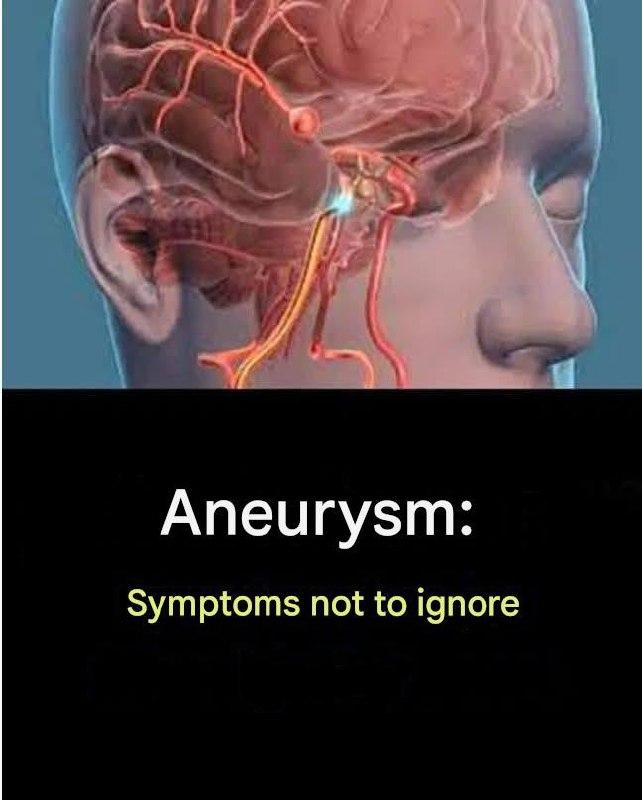
Aneurysm: Symptoms Not to Ignore
An aneurysm is a serious medical condition that occurs when a weakened area in a blood vessel wall bulges or balloons outward. While some aneurysms develop silently, others can cause warning signs that should never be ignored. Recognizing these symptoms early can be life-saving.
What Is an Aneurysm?
An aneurysm can form in any blood vessel, but it most commonly occurs in the brain (cerebral aneurysm), aorta, or other major arteries. If an aneurysm ruptures, it can cause severe internal bleeding and become a medical emergency.
Common Symptoms of an Unruptured Aneurysm
Many aneurysms do not cause symptoms, but when they do, warning signs may include:
-
Persistent or sudden headaches
-
Blurred or double vision
-
Pain above or behind the eye
-
Neck pain or stiffness
-
Difficulty concentrating
-
Numbness or weakness on one side of the body
These symptoms occur when the aneurysm presses on nearby nerves or tissues.
Warning Signs of a Ruptured Aneurysm
A ruptured aneurysm is a medical emergency. Call emergency services immediately if you or someone else experiences:
-
A sudden, extremely severe headache often described as “the worst headache of my life”
-
Loss of consciousness
-
Nausea and vomiting
-
Seizures
-
Sensitivity to light
-
Confusion or difficulty speaking
-
Rapid heartbeat or sudden drop in blood pressure
Aortic Aneurysm Symptoms
Aneurysms in the aorta may cause different symptoms, including:
-
Deep, constant chest or back pain
-
A pulsing sensation in the abdomen
-
Shortness of breath
-
Hoarseness or difficulty swallowing
