
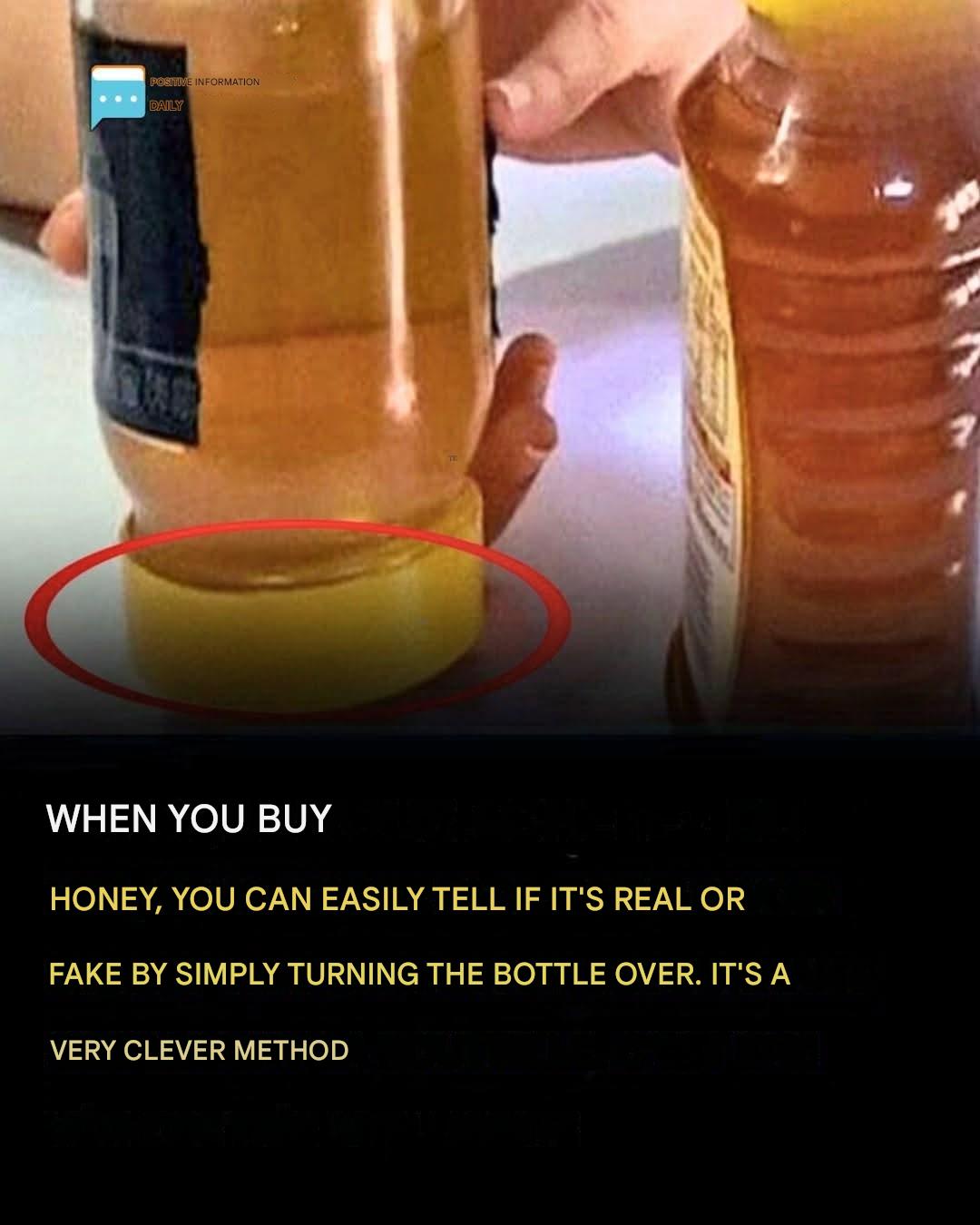
In recent years, counterfeit honey has appeared on the European market, and the figures are alarming. A recent inspection by the consumer association Active Consumers revealed that 5 out of 10 tested honey brands failed to meet basic quality standards. These include:
Water content: must be less than 20%
Electrical conductivity: must not exceed 0.8 mS/cm
Hydroxymethylfurfural (HMF): no more than 40 mg/kg
Diastase activity: at least 8 Göte units
Proline content: no less than 180 mg/kg
Counterfeit honey floods the market: how to recognize the real thing
How is honey counterfeited?
There are two common methods of honey adulteration:
Next »»Dilution with glucose-fructose syrup: this increases the volume and reduces production costs.
Premature harvesting: Removing honey from the hive too early speeds up production, but results in a higher water content and lower quality.
In both cases, what ends up on store shelves doesn’t meet the standards of natural honey.
Can you spot fake honey at home?
