
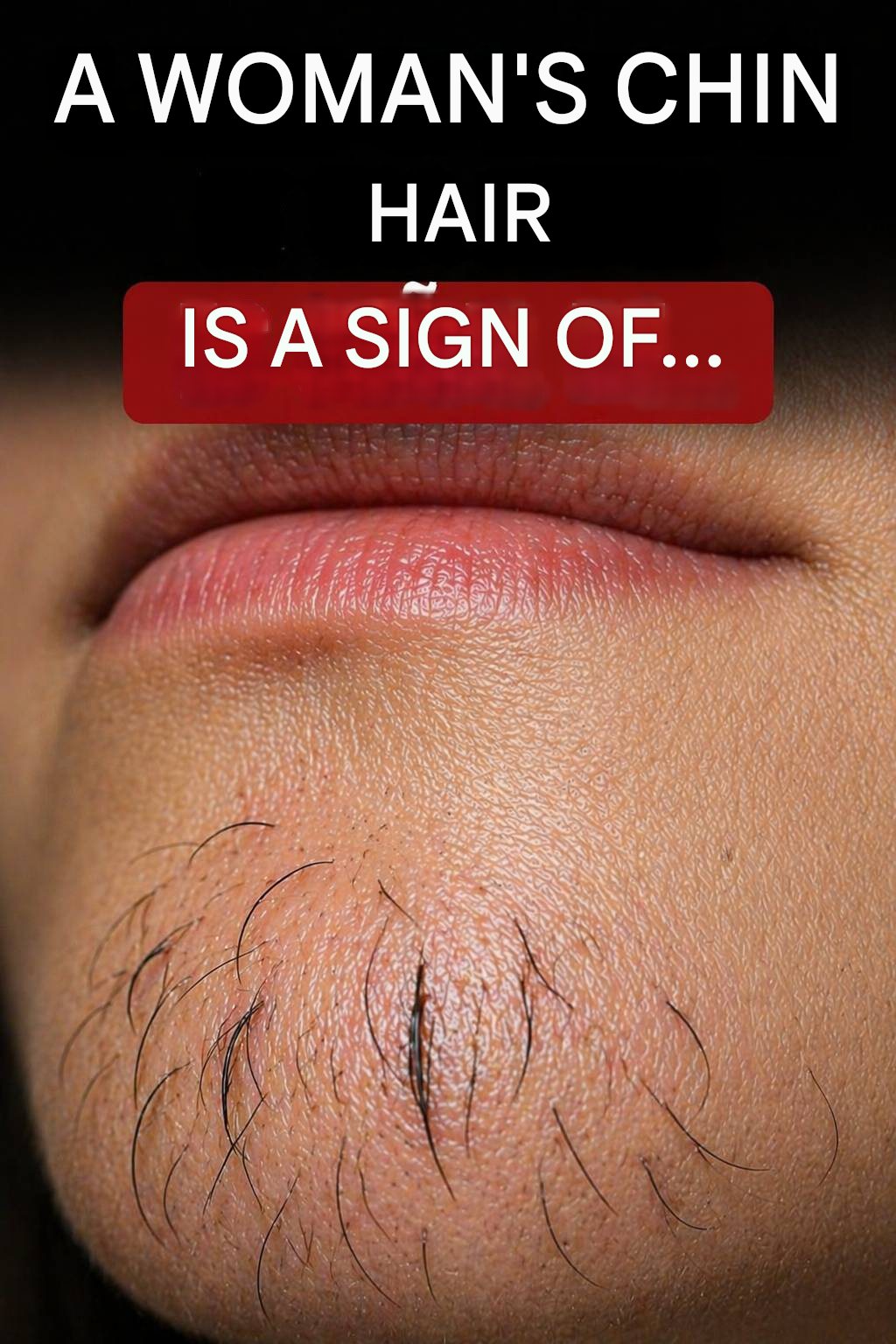
Chin hair growth in women is more common than many people realize. While it’s often attributed solely to hormonal factors, lifestyle also plays a key role. Stress and diet can directly influence this process, affecting the body’s balance.
In this article, we will explore how these two factors can impact the appearance of facial hair.
The role of hormones in hair growth
Before understanding the influence of stress and diet, it is important to know the role of hormones.
Hair growth on the chin is often linked to androgens, a group of hormones also present in women. When there is a hormonal imbalance, the body can produce more hair in areas such as the face.
How stress affects hair growth
Stress not only impacts emotional state, it also has physical effects on the body.
When a person is under constant stress, the body releases cortisol, a hormone that can disrupt overall hormonal balance. This can lead to:
- Increased androgens
- Changes in the hormonal cycle
- Increased sensitivity of hair follicles
As a result, some women may notice more visible hair growth on their chin.
Nutrition and its influence on the body
What we eat also influences how our body functions. An unbalanced diet can contribute to hormonal imbalances.
Some dietary factors that may influence this include:
- High consumption of refined sugars
- Excess ultra-processed foods
- Diets low in essential nutrients
These habits can affect insulin and other hormones, which can indirectly promote hair growth.
Foods that help maintain balance
A healthy diet can help regulate the hormonal system. Some examples include:
- Fresh fruits and vegetables
- Healthy fats like olive oil
- Quality proteins
- Foods rich in fiber
Maintaining a balanced diet helps the body function better and reduces potential imbalances.
Other factors to consider
Besides stress and diet, there are other factors that can influence hair growth on the chin:
- Genetics
- Age
- Natural hormonal changes
- Specific medical conditions
Therefore, each case may be different.
When to consult a professional
If hair growth is sudden, excessive, or accompanied by other symptoms, it is advisable to consult a healthcare professional.
A specialist will be able to assess the situation and determine if there is a hormonal imbalance or another underlying cause.
Conclusion
Hair growth on the chin in women doesn’t always have a single cause. Stress and diet can have a greater influence than it seems, affecting the body’s internal balance.
Adopting healthy habits, reducing stress, and maintaining a balanced diet can be key to overall well-being and hormonal balance.
