
Gardening can be a deeply rewarding hobby, offering both physical activity and the joy of watching your efforts come to life in vibrant flowers and delicious vegetables. However, it also comes with its own set of challenges, chief among them being the myriad of pests that can invade your carefully tended plants. For tomato growers, discovering unusual formations on the underside of leaves can be particularly concerning, primarily because these plants are not only susceptible to a variety of pests but are also a staple in many home gardens.Crafts
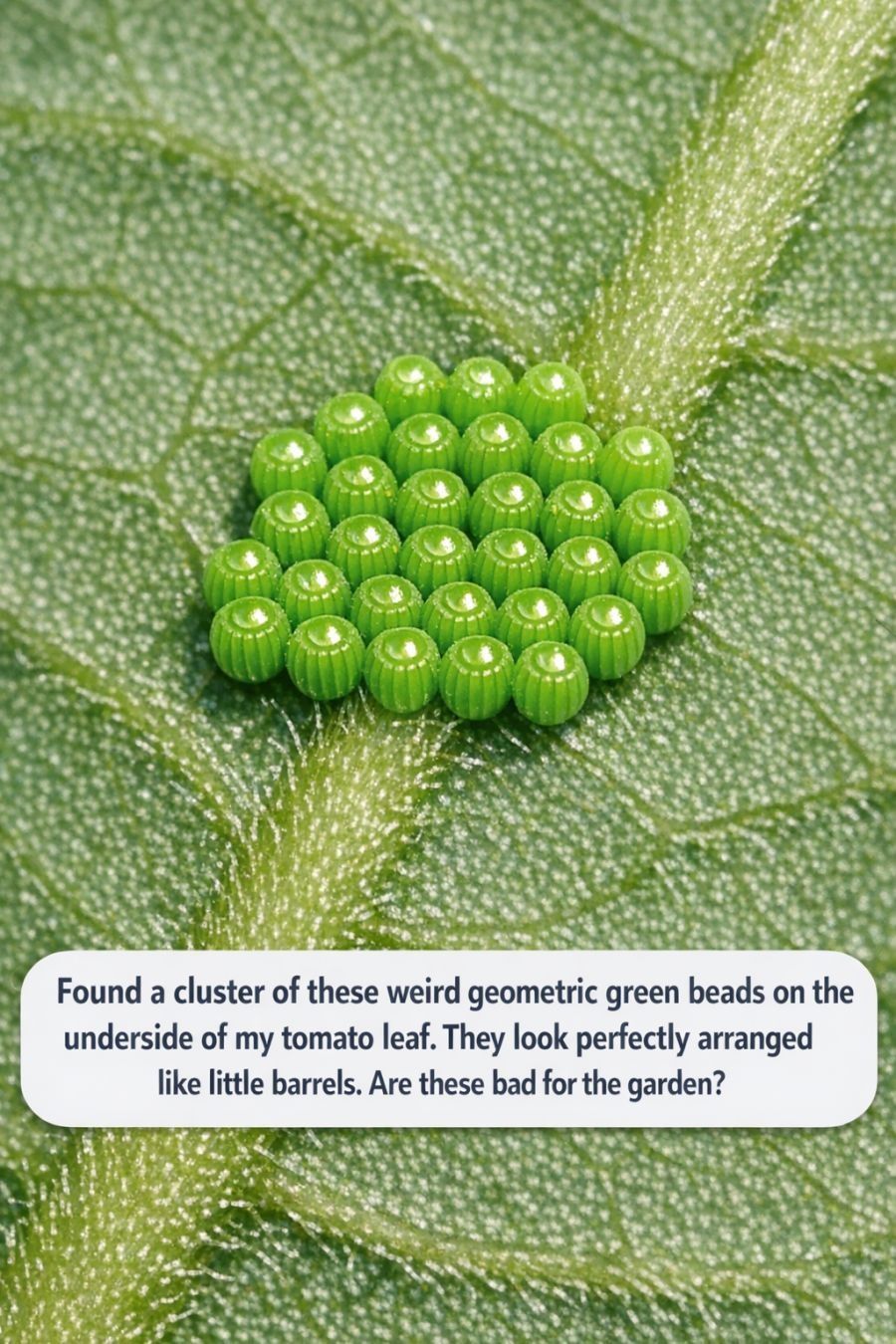
One such mysterious discovery might be tiny, perfectly arranged, green barrel-shaped structures. At first glance, they may resemble beads or even some form of plant disease. However, they are more likely to be insect eggs, specifically those of the green shield bug (Palomena prasina). Understanding what these are, their potential impact, and the appropriate response is crucial for maintaining a healthy garden ecosystem.
1. What Those Perfect Green Barrels on Your Tomato Leaf Really Are
The small, green barrel-shaped structures found on the underside of your tomato leaves are most likely the eggs of the green shield bug. These eggs are typically laid in clusters and are characterized by their geometric arrangement, resembling tiny green barrels. Each egg measures approximately 1 mm in diameter and has a distinctive circular shape with a slightly flattened top.Fruits & Vegetables
Discover more
Bush
Shrubs & Bushes
Gardening
Green shield bugs are part of the Pentatomidae family, commonly known as stink bugs. The eggs are laid by female bugs as they prepare for the next generation. The orderly arrangement of these eggs is a natural strategy to maximize the number of eggs laid while providing them some protection from predators.Flora & Fauna
2. How to Positively Identify Green Shield Bug Eggs
To positively identify green shield bug eggs, look for clusters of small, green, barrel-shaped eggs on the underside of leaves. These eggs are generally laid in groups of 20 to 30 and are neatly arrayed in rows. The eggs have a smooth surface, and their vivid green color can make them stand out against the leaf’s surface.
Discover more
Horticulture
Beads
bush
Another identifying feature is the location; green shield bugs prefer to lay their eggs on the undersides of leaves, as this provides a degree of protection from predators and environmental elements. If you have a magnifying glass, you might notice the tiny hexagonal pattern on the eggs, which is a characteristic of the green shield bug.Crafts
3. Are Green Shield Bug Eggs Dangerous for Your Tomato Plants?
While the presence of green shield bug eggs does indicate that your tomato plant has been visited by these insects, the eggs themselves do not harm the plant. The real concern arises when these eggs hatch into nymphs, which will begin feeding on the plant.
Green shield bug nymphs and adults feed by piercing plant tissues and sucking out the sap, which can lead to damage such as discolored spots, wilting, or even premature fruit drop. While a small number of shield bugs may not cause significant damage, large infestations can weaken plants and reduce yield.
Discover more
Shrubs & Bushes
Bush
Gardening
4. Life Cycle of the Green Shield Bug: From Egg Cluster to AdultFruits & Vegetables
The life cycle of the green shield bug begins when the female lays her eggs in neat clusters on the underside of leaves. These eggs take about 7 to 10 days to hatch, depending on environmental conditions such as temperature and humidity.Flora & Fauna
Once hatched, the nymphs go through several stages, known as instars, before reaching adulthood. This process can take about 4 to 6 weeks. During this time, the nymphs gradually develop the characteristic shield shape and color of the adult bugs. As adults, they are capable of reproduction and can live for several months, continuing the cycle.
5. Good Bug or Bad Bug? Weighing Their Impact on Your Garden
Discover more
Horticulture
Beads
beads
Green shield bugs are generally considered pests due to their feeding habits, which can damage crops. However, they also play a role in the garden ecosystem as prey for natural predators, which helps maintain a balance.
In small numbers, green shield bugs may not cause significant harm, and their presence can indicate a healthy, biodiverse environment. However, if their population grows too large, they can become a nuisance by damaging plants and reducing crop yields.
6. Common Look-Alikes: Other Insects That Lay Similar Egg Clusters
Several other insects lay eggs that may resemble those of the green shield bug. For instance, the eggs of the Harlequin bug, another member of the stink bug family, are similar in appearance but tend to have a more elongated shape and are often white with black markings.
Discover more
Bush
Shrubs & Bushes
bush
Ladybugs also lay eggs on the underside of leaves, but their eggs are usually yellow or orange and are more oval-shaped. Identifying the specific insect responsible for the egg clusters is crucial for determining the appropriate response.
7. What to Do When You Find These Egg Clusters on Your TomatoesFruits & Vegetables
Upon discovering egg clusters on your tomato plants, the first step is to confirm their identity. If they are indeed green shield bug eggs, you can choose to manually remove them by gently scraping them off with a fingernail or a soft brush.
Monitoring the plants regularly for new egg clusters and signs of nymphs or adult bugs can help manage their population. Encouraging natural predators and maintaining a healthy garden ecosystem will also aid in keeping their numbers in check.
Discover more
Horticulture
Gardening
Beads
8. Natural Predators and Organic Ways to Keep Green Shield Bugs in Check
Natural predators such as birds, parasitic wasps, and predatory insects like assassin bugs can help control green shield bug populations. Encouraging these predators by providing natural habitats and avoiding broad-spectrum insecticides can enhance their effectiveness.Flora & Fauna
Using organic sprays made from neem oil or insecticidal soap can also help manage green shield bugs without harming beneficial insects. Regularly inspecting plants and removing eggs and nymphs by hand can prevent their numbers from reaching damaging levels.
9. When (If Ever) You Should Use Chemical Controls
