
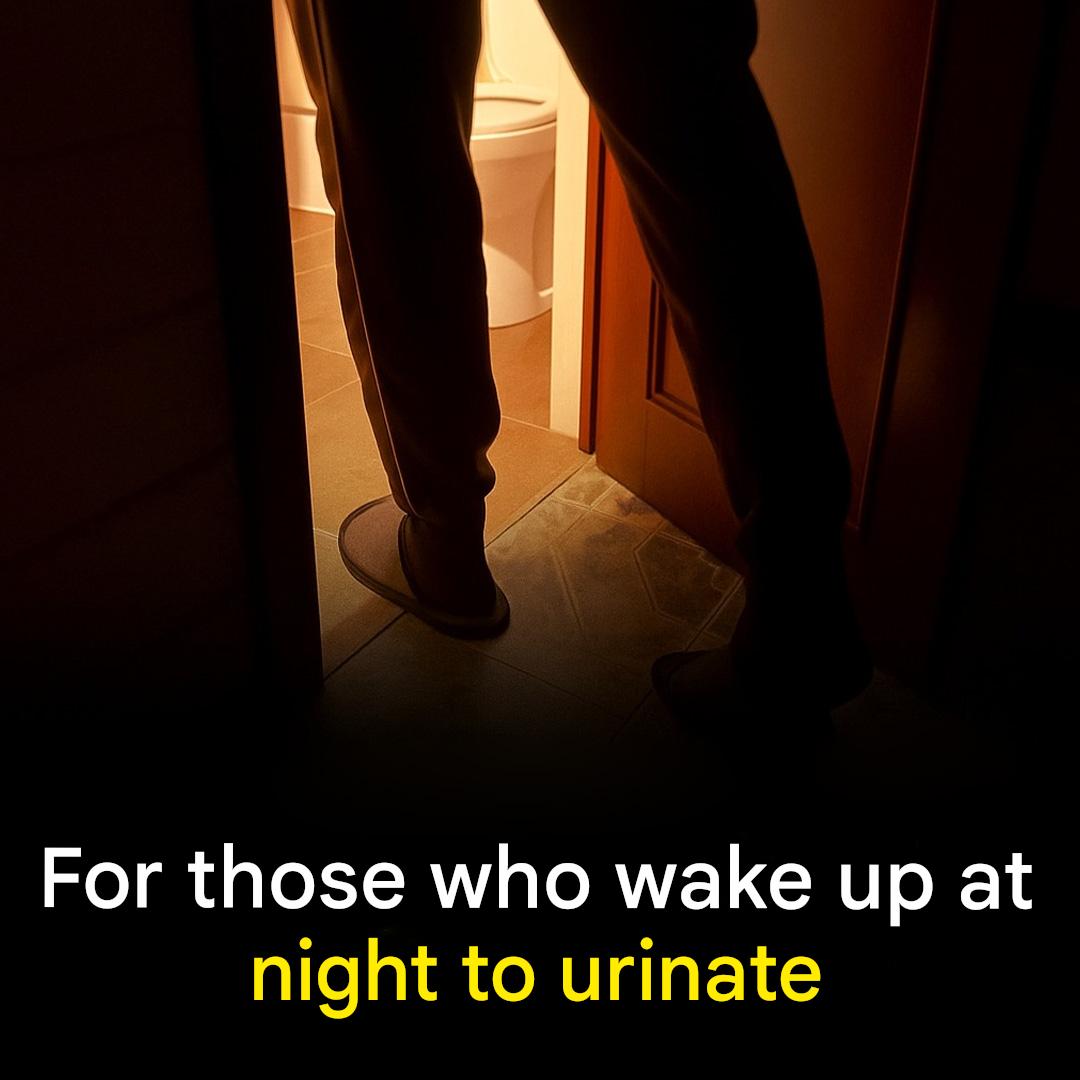
We all know those nights when we fall asleep like a log… only to have to get up once, twice, sometimes three times to go to the bathroom. At first, we joke about it: “It’s my age,” “I drank too much herbal tea.” But when it becomes a daily occurrence, fatigue sets in, and so does doubt. Is it normal? Is it a sign we shouldn’t ignore? The good news is that there are simple—and often reassuring—explanations. The key is learning to decode what your body is trying to tell you, without panicking, but also without dismissing it. Why do we get up at night? The most common reasons. The need to urinate several times during the night, called frequent nocturnal urination, can affect anyone. And while the phenomenon often increases with age, it doesn’t only affect seniors.
The most common reason? The body’s natural aging process. Over time, the hormone that limits urine production during the night decreases. As a result, the bladder works harder… and wakes us up.
Sometimes, certain everyday factors can also contribute: drinking a lot of fluids in the evening (even seemingly harmless herbal teas), consuming stimulating drinks in the late afternoon or evening, taking certain medications that promote elimination, and having swollen legs during the day, which causes fluids to “come back down” once you lie down.
In women, pregnancy or postpartum changes can also make the bladder temporarily more sensitive. Nothing to worry about: the body is readjusting.
See more
Health
Health
Sometimes, a restless night can simply be related to stress, lighter sleep, or a more frequent urge to urinate when the mind struggles to relax.
When should you start to wonder?
Getting up once or twice a night is common. Beyond that, especially if it becomes a daily occurrence, it can be helpful to speak to a healthcare professional, if only to get back to more peaceful nights.
Some signs deserve particular attention:
A frequent and urgent need to urinate with little urine,
A feeling of discomfort in the lower abdomen,
Severely disturbed sleep with persistent fatigue,
A sudden change in your nighttime routine.
In most cases, these situations are easily managed: adjusting your habits, personalized advice, or sometimes a brief check-up to ensure everything is functioning properly.
